Gas Shortage in India 2026: Causes, Impact, and Latest Updates
India is currently witnessing concerns over a gas shortage, particularly affecting commercial LPG supplies in several major cities. Restaurants, hotels, and small businesses have reported difficulties obtaining cooking gas cylinders, raising questions about the stability of energy supplies in the country. While the government has assured citizens that household LPG supply remains stable, the situation has highlighted India’s dependence on global energy markets and the vulnerability of supply chains during geopolitical tensions.
What Is Causing the Gas Shortage in India One of the main reasons behind the current gas shortage is the global energy disruption linked to tensions in the Middle East. The region is a critical hub for oil and gas exports, and any conflict or instability can impact the supply of energy products worldwide. Since India imports a significant portion of its LPG and natural gas from international markets, any disruption in shipping routes or production can quickly affect availability. Another factor contributing to the shortage is India’s heavy dependence on imported LPG.
linked to tensions in the Middle East. The region is a critical hub for oil and gas exports, and any conflict or instability can impact the supply of energy products worldwide. Since India imports a significant portion of its LPG and natural gas from international markets, any disruption in shipping routes or production can quickly affect availability. Additionally, logistical and distribution challenges have worsened the problem. Some gas companies have reportedly redirected supplies to prioritize domestic households and
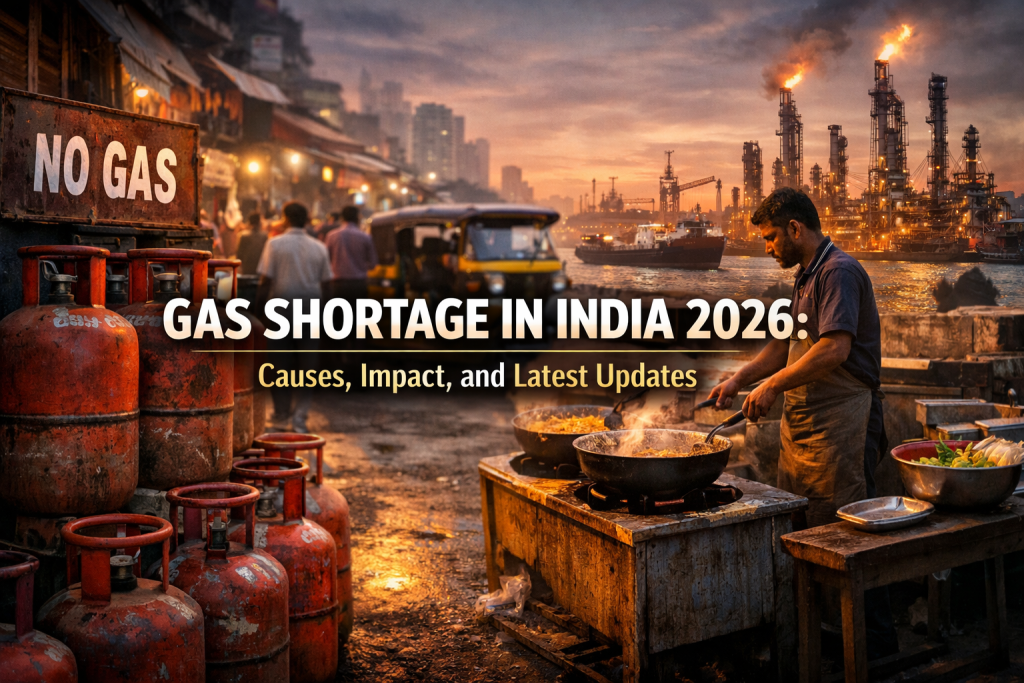
essential services. This has led to reduced availability of commercial cylinders used by restaurants and food businesses Cities Reporting LPG Supply Issues Several major cities have reported disruptions in commercial LPG supply. Businesses in metropolitan areas such as Mumbai, Bengaluru, Pune, and Hyderabad have faced delays in receiving gas cylinders. Many restaurant owners claim that deliveries have been reduced or postponed, forcing them to limit operations or temporarily shut down certain services.
Street food vendors and small eateries have also been hit hard. For many of these businesses, LPG is the primary cooking fuel. Even a short interruption in supply can affect daily income and operations. However, the impact has not been uniform across the country. Some regions continue to receive regular deliveries, while others experience delays due to transportation or supply adjustments. Is Household LPG Supply Affected Despite concerns about shortages, the government has stated that domestic LPG cylinders for households are being prioritized
Officials have urged citizens not to panic or engage in panic buying, explaining that the current supply strategy focuses on ensuring cooking gas availability for residential consumers. Major public sector oil companies have also confirmed that household cylinder deliveries should continue as usual, although delivery times may vary slightly in some locations. This prioritization policy means that commercial users may temporarily face tighter supply until imports and domestic production stabilize.
Government Response to the Situation The Indian government and energy companies are taking several steps to address the gas shortage Increasing domestic LPG production at refineries Boosting imports from alternative suppliers to compensate for disrupted shipments Prioritizing household and transportation fuel needs, such as CNG and PNG Monitoring distribution networks to ensure fair supply across regions. Private and public sector companies have also been instructed to maximize production capacity and optimize logistics to reduce delays.
Impact on Businesses and the Economy The shortage of commercial LPG has had an immediate impact on the hospitality sector. Restaurants and food vendors rely heavily on LPG cylinders for cooking, and any disruption can significantly affect operations. Some businesses have reported higher operational costs due to supply constraints, while others have had to reduce menus or operating hours. If the shortage continues for an extended period, it could also lead to price increases in food services and other related sectors. At the same time, the situation has sparked broader discussions about India’s long-term energy
The Role of Global Energy Markets Global energy markets play a significant role in India’s gas supply situation. Any instability in major oil and gas producing regions can quickly impact importing countries like India. Shipping routes, particularly those passing through strategic maritime corridors, are vital for the transport of LPG and LNG. Rising global demand, production cuts by exporting countries, and geopolitical tensions can all contribute to supply fluctuations. This situation highlights the importance of strengthening domestic energy production and building strategic reserves to reduce vulnerability to global disruptions.
Experts believe the current shortage is likely to be temporary, provided global supply chains stabilize and additional shipments reach Indian ports. As refineries increase output and imports resume at normal levels, commercial LPG availability should gradually improve. However, the situation serves as a reminder of the challenges faced by rapidly growing economies that depend heavily on imported energy resources. In the long term, India may need to invest more in alternative energy sources, domestic gas exploration, and improved infrastructure to ensure stable supply and reduce the risk of similar shortages in the future.