
US Inflation Hits 3-Year High: Energy Prices Surge, Raising Costs for Millions of Americans
The latest inflation data from the United States has revealed a significant increase in consumer prices, with inflation climbing to its highest level in three years. The surge has been largely driven by rising energy costs, which continue to impact household budgets, transportation expenses, and business operations across the country.
According to recent economic reports, the Consumer Price Index (CPI), a key measure of inflation, recorded a notable year-over-year increase. Analysts attribute much of the rise to escalating gasoline and energy prices, which have surged amid ongoing global supply concerns and geopolitical uncertainties affecting international oil markets.
Energy Sector Emerges as Main Inflation Driver
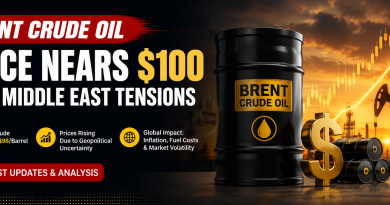
Energy prices have become the dominant factor behind the latest inflation spike. Higher crude oil prices have translated into increased costs at fuel stations nationwide, forcing consumers to spend more on transportation and daily commuting.
Businesses are also feeling the pressure as transportation, logistics, and manufacturing expenses rise. These increased operational costs are often passed on to consumers through higher prices for goods and services, contributing to broader inflationary pressures throughout the economy.
Experts note that energy-related inflation tends to have a widespread effect because fuel costs influence nearly every sector, from food distribution and retail supply chains to airline travel and industrial production.
Impact on American Households
For millions of Americans, the rise in inflation means increased living expenses. Families are spending more on gasoline, electricity, groceries, and other essential goods. While wage growth has remained relatively stable in several industries, many households continue to feel the strain of higher prices.
Economists warn that prolonged inflation could affect consumer spending patterns. As everyday expenses rise, households may reduce discretionary spending, potentially slowing economic growth in the coming months.
Federal Reserve Faces New Challenges
The latest inflation figures place additional pressure on the Federal Reserve as policymakers assess the future direction of monetary policy. While core inflation remains relatively moderate compared to headline inflation, persistent energy-related price increases could complicate efforts to maintain long-term price stability.
Financial markets are closely monitoring upcoming Federal Reserve meetings for signals regarding interest rates and economic outlooks. Investors remain focused on whether inflationary pressures will prove temporary or continue to strengthen throughout the remainder of the year.
Global Factors Contributing to Inflation
Several international developments have contributed to higher energy prices. Ongoing geopolitical tensions, disruptions in oil supply chains, and fluctuations in global energy demand have collectively tightened market conditions.
As the world’s largest economy, the United States remains highly sensitive to changes in global energy markets. Any prolonged disruption in oil production or transportation routes could further increase fuel costs and add to inflationary pressures.
Economic Outlook
Despite the inflation increase, many economists remain cautiously optimistic about the broader US economy. Employment levels remain relatively strong, and consumer demand continues to support economic activity. However, sustained inflation could present challenges for businesses, consumers, and policymakers alike.
Analysts will continue monitoring future inflation reports, energy market developments, and Federal Reserve decisions to determine whether current price pressures represent a temporary spike or the beginning of a longer inflationary cycle.
The rise in US inflation to a three-year high underscores the significant role energy prices play in shaping economic conditions. As fuel and utility costs continue to climb, both consumers and businesses face growing financial pressures. The coming months will be crucial in determining whether inflation stabilizes or remains a persistent concern for the American economy.