Trump’s Iran Strategy: The High-Stakes Talks Behind Closed Doors
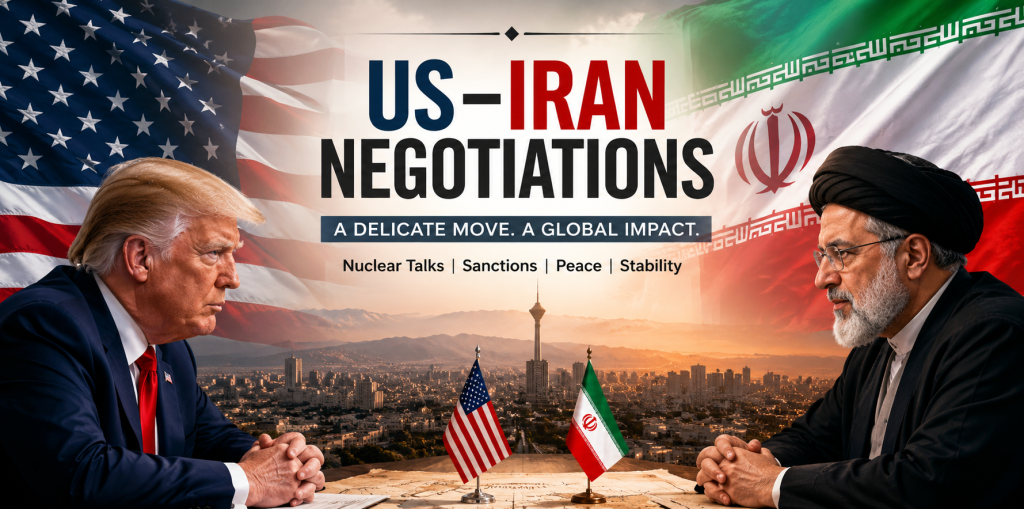
The latest negotiations between the United States and Iran are no longer just about nuclear weapons. They have evolved into a wider geopolitical bargain involving oil routes, military pressure, sanctions relief, regional influence, and the future stability of the Middle East.
Behind closed doors, diplomats from Washington and Tehran are trying to prevent another major regional war while also securing economic and strategic advantages that could redefine global politics for years. Recent reports suggest both sides are closer to a framework agreement than at any point since the collapse of the original nuclear deal years ago. However, deep mistrust continues to threaten the talks at every stage.
A Deal Bigger Than Nuclear Weapons
Unlike earlier negotiations focused mainly on uranium enrichment, the current discussions involve multiple layers of diplomacy. reopening the Strait of Hormuz, easing certain sanctions on Iranian oil exports, phased military de-escalation, expanded inspections of Iranian nuclear facilities, and future talks on ballistic missile restrictions.
The Strait of Hormuz has become one of the most critical pressure points in the crisis. Nearly a fifth of the world’s oil passes through the narrow waterway, and prolonged disruption there has already shaken global energy markets. American officials reportedly want Iran to guarantee unrestricted shipping access in exchange for economic concessions. Iran, meanwhile, wants recognition of its regional security interests and protection from future US policy reversals.
Trump Slows Down the Negotiators
President Donald Trump surprised observers after publicly instructing US negotiators “not to rush” into signing the agreement. The statement came even as reports suggested that a draft understanding had already been outlined between both governments.
Republican critics who fear Iran could gain too much leverage, energy market concerns linked to oil prices, Israeli security objections, and growing public fatigue with Middle East conflicts. Sources close to the White House say Trump wants a deal that looks tougher and broader than the 2015 nuclear agreement abandoned during his earlier presidency.
The Uranium Dispute Remains the Biggest Obstacle
The single most dangerous disagreement involves Iran’s stockpile of highly enriched uranium. American negotiators reportedly want Tehran to either transfer or neutralize much of the material to ensure Iran cannot rapidly develop a nuclear weapon. But Iranian officials have resisted that demand.
A senior Iranian source told Reuters that Tehran has not agreed to hand over its enriched uranium reserves, and that the issue may be postponed to a later negotiation phase. This disagreement is crucial because it determines whether the deal becomes: a temporary ceasefire arrangement, or a long-term nuclear settlement. Iranian leaders continue insisting their nuclear program is intended for civilian energy and scientific development rather than weapons production.
Pakistan and Oman Become Unexpected Mediators
One of the more surprising developments in the negotiations has been the growing role of Pakistan and Oman. Diplomatic channels involving both countries have reportedly helped maintain communication when direct talks became politically difficult.
Pakistan’s leadership has quietly emerged as an intermediary acceptable to both Washington and Tehran, especially after military tensions intensified earlier this year. Oman continues to serve as a discreet diplomatic bridge, hosting indirect contacts and technical discussions between negotiators.
Israel Watches Every Move
Israeli officials are deeply concerned that any agreement leaving Iran with significant nuclear infrastructure could create long-term security risks. Prime Minister Benjamin Netanyahu has reportedly told Washington that any final agreement must completely eliminate Iran’s ability to produce nuclear weapons.
Israeli military planners are also worried that sanctions relief could strengthen Iranian-backed regional groups across Lebanon, Syria, Iraq, and Yemen. These concerns explain why the negotiations remain politically explosive even if diplomacy succeeds.