School Closings: Why Schools Shut Down and How Parents & Students Stay Updated
School closings are an important part of the education system, especially when unexpected situations affect the safety of students and staff. Across the world, schools sometimes close temporarily due to weather conditions, emergencies, health concerns, or public holidays. These closures can impact millions of students, teachers, and families, making it essential for everyone to stay informed about announcements and updates.
What Are School Closings School closings refer to the temporary suspension of classes in a school or an entire district. When schools close, students are not required to attend in person, and in many cases, learning may shift to online or remote platforms. Closings can happen for a single day or extend for several days depending on the reason behind the decision. School administrations and local authorities usually make these decisions to ensure the safety and well-being of students and staff
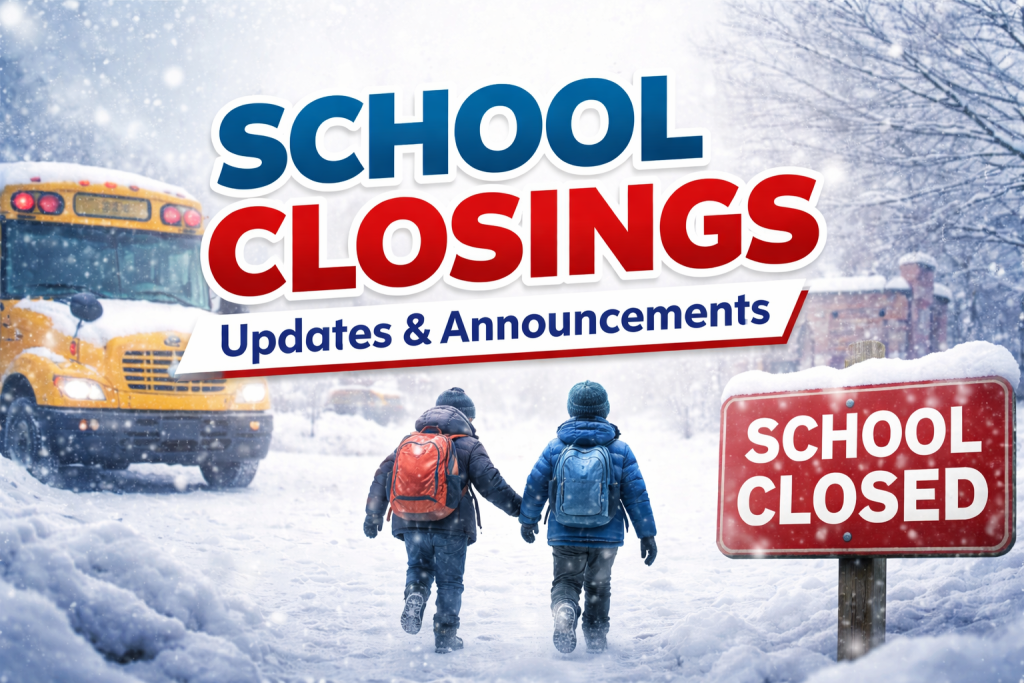
Common Reasons for School Closings Severe Weather One of the most common reasons for school closures is extreme weather conditions. Snowstorms, heavy rainfall, hurricanes, or extreme heat can make it dangerous for students to travel to school. Natural Disasters Natural disasters such as floods, earthquakes, or wildfires can force schools to shut down temporarily while authorities ensure safety and assess damage. Health Emergencies During public health crises like pandemics or disease outbreaks, schools may close to prevent the spread of illness among students and staff.
Infrastructure or Safety Issues Sometimes schools close because of power outages, water supply issues, building damage, or other safety concerns Government or Administrative Decisions Local governments or school boards may announce closures during elections, strikes, or public safety alerts. Impact of School Closings School closings can affect students, parents, and teachers in several ways. Students may miss in-person lessons and activities. Parents may need to adjust their work schedules to care for children at home. Teachers often shift to remote learning or reschedule lessons.
Remote Learning During Closures In recent years, many schools have adopted digital learning systems that allow students to continue their studies even when campuses are closed. Online platforms, virtual classrooms, and recorded lessons help ensure that education continues despite disruptions. Remote learning became especially common during the global COVID-19 pandemic, when many schools worldwide closed for extended periods. How to Check School Closing Announcements Official school websites School district social media pages Email or SMS alerts from schools Local news channels and websites
Checking these sources regularly ensures that families receive accurate and timely updates. School closings are sometimes unavoidable, but they play a critical role in protecting students and staff during emergencies or unsafe conditions. Whether caused by severe weather, health crises, or infrastructure issues, school administrators prioritize safety when making these decisions By staying informed through official communication channels and preparing for possible closures, families can better manage disruptions and ensure that students continue their learning journey smoothly.