Chicken Alert: Poultry Health Concerns Raise Food Safety Awareness Worldwide
Chicken Alert highlights growing concerns over poultry health, disease prevention, food safety, and the future of the global poultry industry.
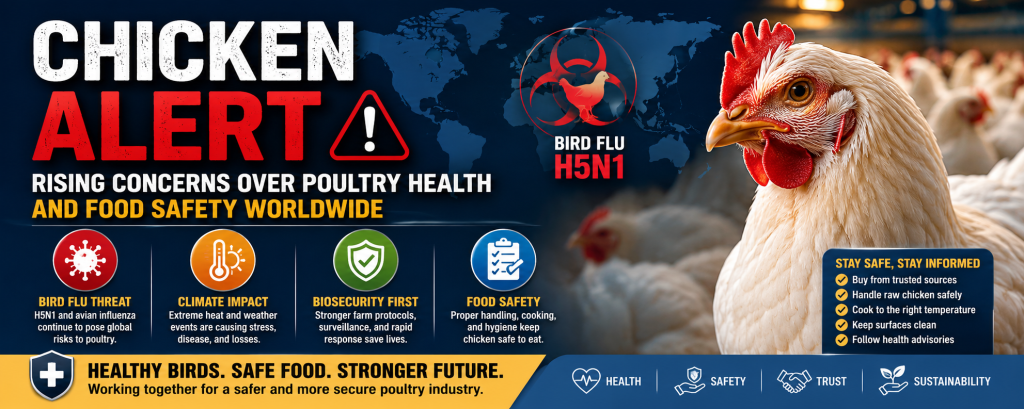
Authorities and poultry industry experts across several regions are issuing what many are calling a “Chicken Alert” as concerns grow over poultry health, disease outbreaks, and food supply chain stability. The alert comes amid increased monitoring of bird populations, heightened biosecurity measures on farms, and growing consumer awareness regarding poultry-related health risks.
While chicken remains one of the world’s most consumed protein sources, recent developments have highlighted the importance of maintaining strong disease prevention systems and ensuring the safety of poultry products from farm to table.
Why Are Chicken Alerts Being Issued?
A Chicken Alert is generally issued when veterinary authorities, agricultural agencies, or public health departments identify potential threats to poultry populations. These threats may include avian influenza outbreaks, bacterial infections, unusual mortality rates among birds, or concerns regarding food safety standards.
Such alerts are not always indications of widespread danger. In many cases, they are precautionary measures designed to prevent disease transmission and protect both animal and human health.
Experts emphasize that early detection and rapid response remain the most effective tools for controlling poultry-related health issues before they become larger problems.
Impact on Poultry Farmers
For poultry farmers, a Chicken Alert can bring significant operational challenges. Enhanced inspections, movement restrictions, and mandatory health monitoring often become necessary during alert periods.
- Increase sanitation procedures.
- Restrict visitor access to poultry facilities.
- Conduct regular health assessments of birds.
- Report unusual symptoms immediately.
- Follow strict biosecurity protocols.
Although these measures can increase operational costs, they are widely regarded as essential for preventing larger outbreaks that could result in substantial economic losses.
Food Safety Remains a Priority
Health officials continue to reassure consumers that properly handled and thoroughly cooked chicken remains safe to eat. Modern food safety systems are designed to detect potential issues before poultry products reach retail markets.
- Cook chicken to recommended internal temperatures.
- Avoid cross-contamination during food preparation.
- Wash hands after handling raw poultry.
- Store poultry products at safe temperatures.
Food safety experts note that responsible handling practices significantly reduce the risk of foodborne illnesses.
Economic Implications
The poultry industry contributes billions of dollars annually to national economies worldwide. Any disruption caused by disease outbreaks or production restrictions can impact prices, exports, and supply chains.
Analysts suggest that even localized poultry alerts can influence market trends, leading to temporary fluctuations in chicken prices. International trade partners may also implement additional inspections or temporary import restrictions depending on the severity of a situation.
Despite these challenges, the global poultry industry has developed sophisticated monitoring systems that help maintain supply stability during periods of heightened concern.
Advances in Disease Prevention
Recent technological developments are helping authorities respond more effectively to poultry health threats. Advanced diagnostic tools, digital monitoring systems, and improved vaccination strategies have strengthened disease prevention efforts.
Veterinary researchers continue to study emerging poultry diseases and develop new methods for protecting flocks. Artificial intelligence and data analytics are also being integrated into modern poultry management systems, allowing farmers to identify potential issues earlier than ever before. These innovations are expected to play a major role in safeguarding the future of poultry production.
Public Awareness and Education
As global demand for poultry products continues to grow, maintaining strong health monitoring systems will remain a top priority for governments, farmers, and food safety agencies. Chicken Alerts serve as an important reminder of the interconnected nature of agriculture, public health, and food security.
Industry leaders remain optimistic that continued investment in research, biosecurity, and technology will help reduce risks and strengthen the resilience of poultry production systems worldwide.