Trump Says Iran Allowed 10 Oil Ships Through Strait of Hormuz as a ‘Present’ to the U.S.
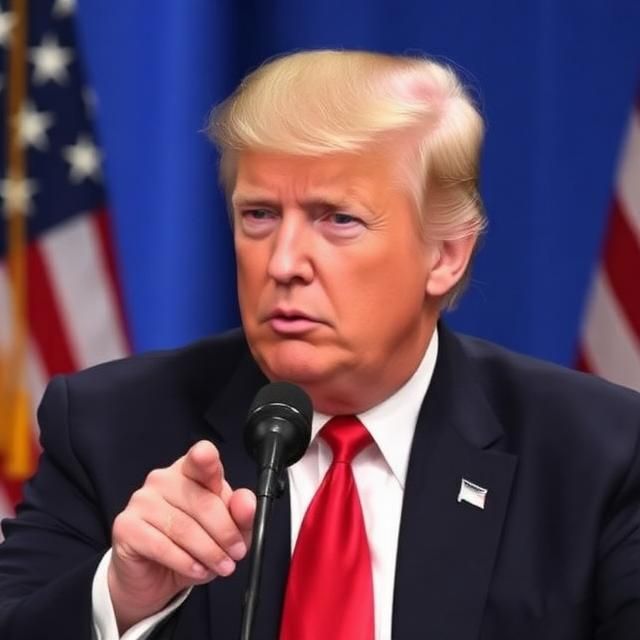
U.S. President Donald Trump has claimed that Iran allowed 10 oil tankers to safely pass through the Strait of Hormuz, describing the move as a “present” to the United States amid rising tensions in the region. The statement has drawn global attention due to the strategic importance of the vital oil shipping route and its impact on global energy markets.
Trump’s Statement on the ‘Present’ Speaking during a public appearance, President Trump said that Iran permitted a group of oil tankers to pass through the Strait of Hormuz, which he described as a goodwill gesture during ongoing tensions. According to Trump, Iran initially allowed eight tankers but later added two more, bringing the total to 10 vessels. He referred to this additional allowance as an extra gesture” that he viewed as an apology or a positive sign of cooperation. Trump emphasized that maintaining safe passage through the Strait of Hormuz is crucial for global stability, especially as tensions between Iran and Western nations have increased in recent months.
Why the Strait of Hormuz Matters The Strait of Hormuz is one of the world’s most strategically important waterways. Located between Iran and Oman, it connects the Persian Gulf to the Arabian Sea. Nearly one-fifth of the world’s total oil supply passes through this narrow shipping lane. Any disruption in the region can quickly affect global oil prices, fuel costs, and international trade. In recent weeks, the area has seen increased military presence and heightened alert levels due to security concerns involving commercial vessels.
Iran’s Position and Regional Tensions While Trump described the tanker passage as a friendly gesture, there has been no full official confirmation from Iranian authorities that the move was intended as a diplomatic “gift. However, analysts suggest that allowing tankers to pass safely could be interpreted as an effort to reduce tensions or signal openness to negotiations. Others believe it may have been a practical decision to avoid further escalation in the region. The situation remains sensitive, with several countries closely monitoring developments in the Persian Gulf.
Impact on Global Oil Markets News of safe tanker passage has provided some reassurance to energy markets, which had been concerned about potential disruptions in oil supply. Any blockage or restriction in the Strait of Hormuz typically leads to: Rising crude oil prices Increased fuel costs worldwide Volatility in stock and commodity markets Supply chain disruptions If tanker traffic continues without interruption, markets may stabilize. However, uncertainty remains due to ongoing geopolitical tensions. Global Reactions and Strategic Implications International observers have reacted cautiously to Trump’s comments.
Some governments welcomed the news as a sign of reduced tension, while others emphasized the need for independent verification. Security experts say that the Strait of Hormuz will remain a critical focal point in global diplomacy, especially as nations rely heavily on oil shipments moving through the region. Diplomatic negotiations and military readiness in the Gulf region are expected to continue as stakeholders attempt to avoid a broader conflict What Happens Next The coming days will likely determine whether this development signals a genuine step toward de-escalation or simply a temporary pause in tensions.
Key developments to watch include: Official statements from Iran Continued tanker movement through the Strait Changes in global oil prices Diplomatic talks between regional powers If safe passage continues, it could reduce immediate fears of supply disruption. However, experts warn that the situation remains unpredictable. President Donald Trump’s claim that Iran allowed 10 oil tankers to pass through the Strait of Hormuz as a “present” has become a major topic in global political and energy discussions. While the move could indicate easing tensions, uncertainty remains until more official confirmations and long-term developments emerge.