
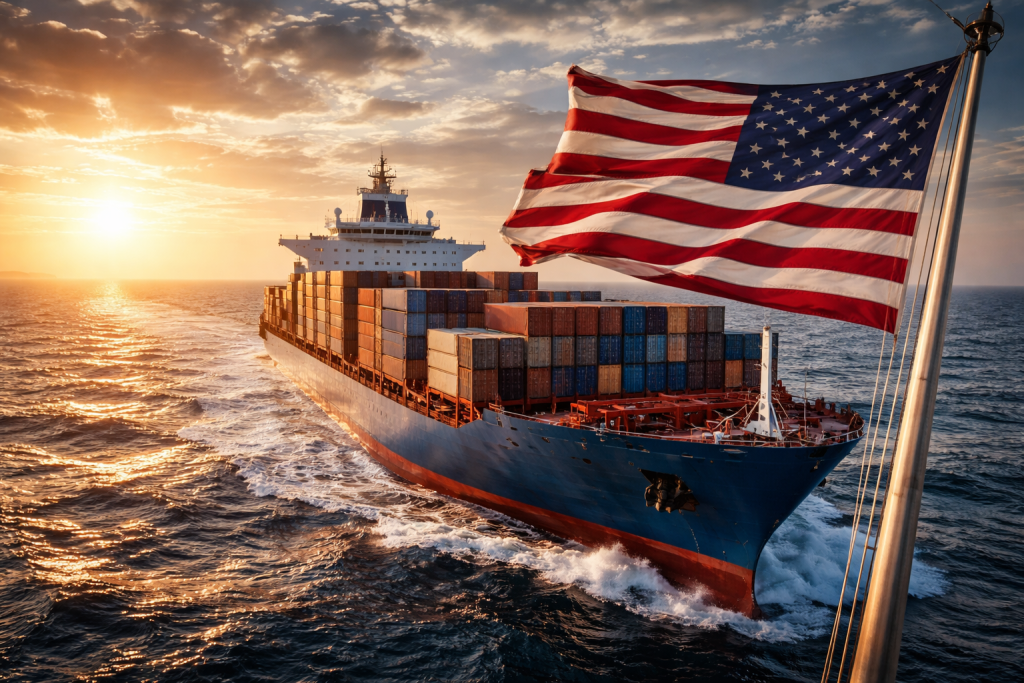
What Is the Jones Act? A Complete Guide to the U.S. Maritime Law
The Jones Act, formally known as the Merchant Marine Act of 1920, is one of the most important laws governing maritime trade in the United States. For over a century, it has shaped how goods are transported between U.S. ports and played a critical role in national security, trade, and labor rights. But what exactly is the Jones Act, and why does it continue to spark debate today? In this article, we break down everything you need to know.
What Is the Jones Act The Jones Act is a federal law that regulates shipping between U.S. ports. It requires that any goods transported by water between two points in the United States must be carried on ships that meet four key criteria: Built in the United States Owned by U.S. citizens Registered under the U.S. flag Crewed primarily by U.S. citizens or permanent residents This rule applies to all domestic maritime trade, including routes between the mainland and territories like Puerto Rico, Hawaii, and Alaska. Why Was the Jones Act Created The law was enacted in 1920 after World War I, when the U.S. recognized the
need for a strong domestic shipping industry. Its main goals were: National Security The U.S. government wanted to ensure it had access to ships and trained sailors during times of war or emergency. Economic Protection The law helps protect American shipbuilders and maritime workers from foreign competition. Reliable Domestic Shipping It ensures a stable and controlled shipping network within U.S. waters. Key Benefits of the Jones Act Supports American Jobs The law helps maintain thousands of jobs in shipbuilding, shipping, and maritime operations. Strengthens National Defense
A strong merchant marine fleet is considered essential for military logistics and emergency response. Ensures Safety Standards U.S.-flagged ships must follow strict safety and labor regulations. Criticism of the Jones Act Despite its benefits, the Jones Act has faced significant criticism over the years: Higher Shipping Costs Because only U.S.-qualified ships can be used, shipping costs are often higher compared to international shipping. Impact on U.S. Territories Places like Puerto Rico and Hawaii rely heavily on imports, and critics argue the law raises the cost of goods in these regions.
Limited Competition Foreign ships, which may be cheaper, are not allowed to operate between U.S. ports. The Jones Act and Puerto Rico One of the most debated aspects of the law is its effect on Puerto Rico. Since the island depends on maritime shipping for most goods, the Jones Act is often blamed for higher prices and limited supply options. However, supporters argue that it ensures consistent service and protects U.S. economic interests. Jones Act and Worker Rights The Jones Act also includes a key legal provision for maritime workers. It allows injured seamen to sue their employers for negligence, making it a crucial law for worker protection in the maritime industry.
Modern Debate: Should the Jones Act Be Reformed Today, policymakers and economists continue to debate whether the Jones Act should be: Maintained for national security reasons Reformed to reduce costs and increase flexibility Repealed to allow free competition Temporary waivers are sometimes granted during emergencies (like hurricanes) to allow foreign ships to deliver aid more quickly. The Jones Act remains a cornerstone of U.S. maritime policy. While it plays a vital role in protecting American jobs and national security, it also raises important questions about economic efficiency and global competitiveness.