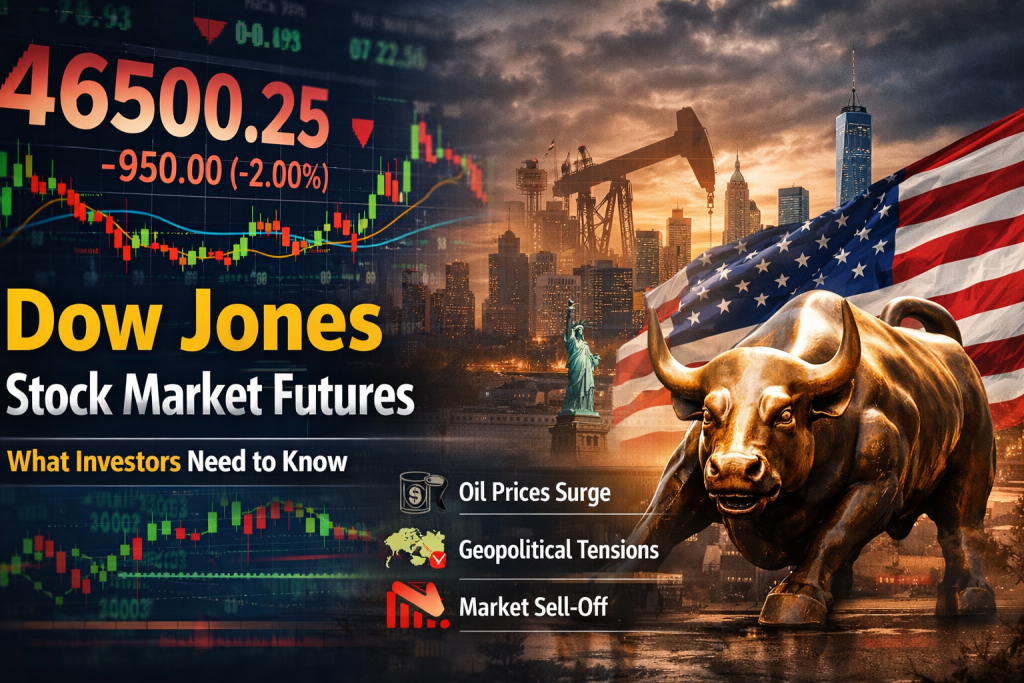
Dow Jones Stock Market Futures: What Investors Need to Know
The Dow Jones stock market futures are one of the most closely watched indicators in global financial markets. They provide investors with an early signal about how the U.S. stock market might perform when trading begins. Traders, analysts, and financial institutions monitor Dow futures overnight to understand market sentiment and potential movements in the Dow Jones Industrial Average. In this article, we explain what Dow Jones futures are, how they work, and why they matter to investors around the world.
What Are Dow Jones Futures Dow Jones futures are financial contracts that allow investors to buy or sell the expected future value of the Dow Jones Industrial Average, which is a major stock market index in the United States. The index tracks 30 large publicly traded companies and is considered a key indicator of the overall health of the U.S. economy. Futures trading allows investors to speculate on whether the index will rise or fall before the stock market officially opens. These futures contracts trade on exchanges like the Chicago Mercantile Exchange, which operates nearly 24 hours a day.
Why Dow Futures Are Important Dow futures play a crucial role in the global financial system. They help investors anticipate market trends and make informed decisions before regular trading hours begin Key reasons why Dow futures matter include: Early Market Direction Dow futures often indicate whether the stock market will open higher or lower. If futures are up, it suggests a positive opening. If they are down, markets may start the day in decline. Global Market Influence Because the U.S. economy has a large impact on global markets, movements in the Dow Jones Industrial Average futures can affect stock markets in Asia and Europe.
Risk Management Institutional investors use futures to hedge their portfolios against sudden market swings. What Affects Dow Jones Futures Several factors influence the movement of Dow futures. These include economic data, corporate earnings, global events, and investor sentiment. Economic Reports Major economic indicators such as inflation data, unemployment reports, and GDP growth can cause futures to move significantly. Corporate Earnings Strong or weak earnings from major companies can influence the entire index. Geopolitical Events Global tensions, wars, and political decisions often create volatility in stock futures markets.
Interest Rates Decisions from the Federal Reserve regarding interest rates frequently impact Dow futures. Dow Futures vs Other U.S. Futures Dow futures are just one part of the broader futures market. Investors also track other major indexes, including: **S&P 500 Futures – representing the 500 largest U.S. companies. **Nasdaq Composite Futures – focused heavily on technology companies. Each of these futures markets gives investors a broader picture of how different sectors of the economy may perform. How Investors Use Dow Futures Professional traders and investors rely on Dow futures for several strategies.
Market Speculation Traders attempt to profit by predicting whether the market will rise or fall. Hedging Large institutions use futures to protect investments from sudden losses. Portfolio Adjustment Investors adjust their holdings based on overnight market signals. Dow Futures and Global Markets Dow futures are not only important in the United States. Markets around the world react to their movements. When futures rise strongly, global stock markets often follow. When they fall sharply, markets across Asia and Europe may experience declines. This is why traders in countries like India closely watch Dow futures before the opening of local markets such as the NIFTY 50.
Risks of Trading Dow Futures While futures trading can offer significant opportunities, it also carries risks. High market volatility Use of leverage, which can amplify losses Rapid price movements due to global events Because of these risks, futures trading is generally recommended for experienced investors. Dow Jones stock market futures provide valuable insight into the direction of the U.S. stock market before trading begins. By monitoring futures linked to the Dow Jones Industrial Average, investors can anticipate market sentiment and prepare their strategies accordingly. Whether you are a professional trader or a casual investor,