Cuba Confirms Negotiations with US as Country Faces Effects of Oil Blockade
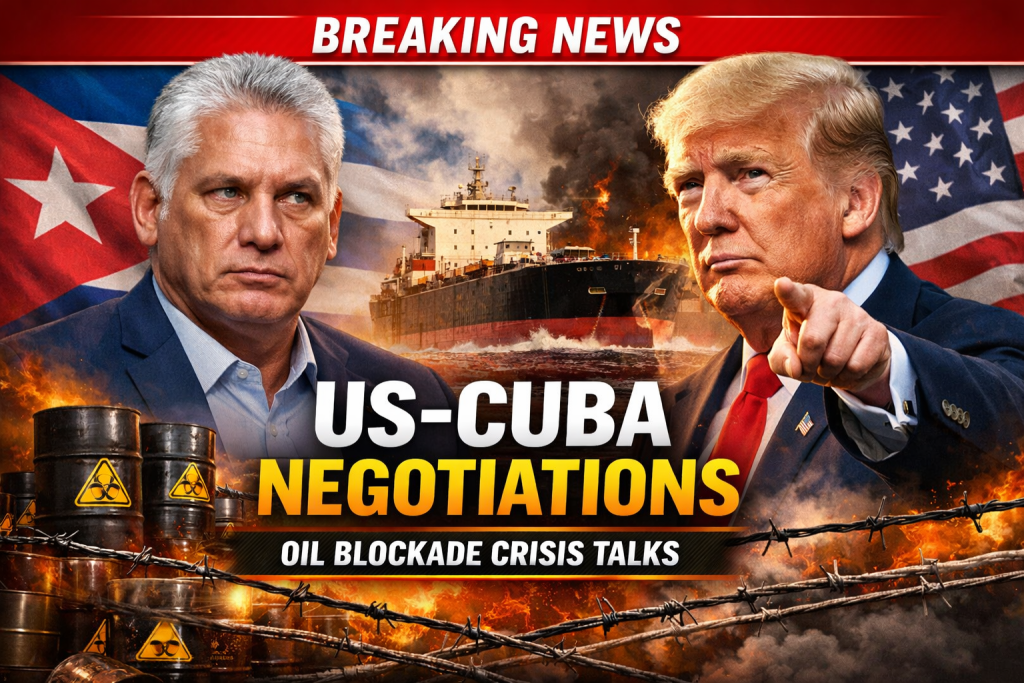
As tensions rise between Cuba and the United States, the Cuban government has officially confirmed that negotiations are underway with Washington. The talks come at a critical moment for the island nation, which is facing a severe energy and economic crisis due to an ongoing oil blockade that has sharply reduced fuel supplies across the country. The situation has led to power outages, transportation disruptions, and growing public frustration, pushing Cuban authorities to seek diplomatic solutions through dialogue.
Cuba’s Energy Crisis Deepens In recent months, Cuba has experienced one of its most serious energy shortages in years. The crisis began after oil shipments from its main supplier, Venezuela, declined significantly amid international pressure and sanctions affecting regional energy trade. Without consistent fuel supplies, the country has struggled to keep power plants operating at full capacity. As a result: Rolling blackouts have become common in several provinces Public transportation services have been reduced Industries and manufacturing operations have slowed Essential services, including hospitals and food distribution systems, are facing difficulties
Confirmation from Cuban Leadership President Miguel Díaz‑Canel confirmed that discussions with the United States are taking place to address the growing tensions and explore possible solutions to the economic and energy challenges facing the island According to Cuban officials, the negotiations are focused on resolving key bilateral issues through diplomatic channels. The government emphasized that dialogue is necessary to prevent further escalation and to reduce the economic pressure that has been affecting the country’s population. Former Cuban leader Raúl Castro, who continues to hold influence in Cuban politics, is also believed to be closely involved in shaping the country’s diplomatic strategy during the talks.
Pressure from Washington The negotiations come amid increased pressure from the United States under the leadership of Donald Trump. The U.S. government has taken steps to limit oil shipments to Cuba and has warned other countries against supplying fuel to the island. American officials argue that the measures are part of broader efforts to pressure the Cuban government over political and economic policies. However, critics say the sanctions have intensified the hardships faced by ordinary Cuban citizens. The oil blockade has had a ripple effect across the Cuban economy, contributing to shortages of electricity, fuel, and basic goods.
Impact on Everyday Life in Cuba For millions of people living in Cuba, the fuel crisis has changed daily life. Residents in many cities have reported frequent power outages lasting several hours a day. Transportation has also been affected, with buses running less frequently due to limited diesel supplies. In some regions, schools and workplaces have adjusted schedules to cope with electricity shortages. Small businesses, restaurants, and local shops have struggled to operate during blackout periods, while farmers and food suppliers face difficulties transporting goods across the island.
Diplomatic Efforts to Ease Tensions As negotiations begin, Cuban officials have signaled their willingness to improve relations and reduce tensions. Reports indicate that Havana has taken steps to create a more constructive environment for dialogue. One notable gesture includes the announcement that Cuba plans to release dozens of prisoners following discussions involving international mediators and religious institutions. Diplomatic observers say such actions could help build trust and open the door for further negotiations between the two countries.
Long History of US-Cuba Tensions Relations between the United States and Cuba have been complex for decades. After the Cuban Revolution in 1959, the United States imposed economic sanctions on the island, leading to years of political and economic isolation. Although relations briefly improved during certain periods, tensions have frequently resurfaced due to political disagreements, sanctions, and geopolitical rivalries. The current negotiations mark another chapter in this long and complicated relationship.
What the Talks Could Mean While the negotiations are still in their early stages, analysts say they could potentially lead to: Partial easing of economic restrictions Increased humanitarian cooperation Limited restoration of trade or fuel supplies New diplomatic channels between Washington and Havana However, reaching a comprehensive agreement may prove difficult given the long-standing political differences between the two governments. For now, Cuba continues to face a challenging economic environment as it deals with the consequences of reduced oil supplies and ongoing sanctions.