
WWDC 2026: Apple Unveils Revolutionary AI Features That Could Change Every iPhone Forever
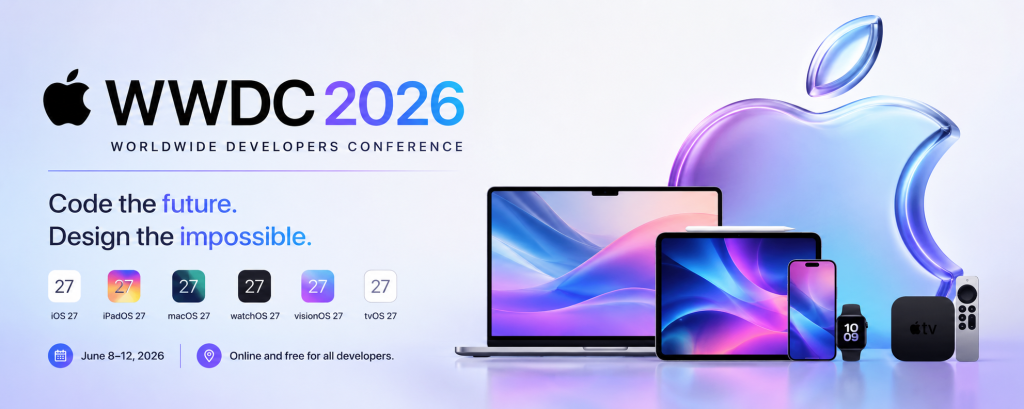
Apple officially kicked off its Worldwide Developers Conference (WWDC) 2026 on June 8, delivering one of the company’s most anticipated keynote presentations in recent years. The annual event brought together developers, technology enthusiasts, and industry experts from around the world to witness Apple’s latest innovations in software, artificial intelligence, and ecosystem integration.
With growing competition in the AI space and increasing expectations from users, Apple used WWDC 2026 as a platform to showcase its vision for the future. The keynote highlighted significant updates across iPhone, iPad, Mac, Apple Watch, Apple TV, and Vision Pro platforms while introducing powerful new AI-driven experiences.
The biggest theme of WWDC 2026 was artificial intelligence. Apple expanded its Apple Intelligence platform with new capabilities designed to make devices smarter, more personal, and more efficient. The company demonstrated AI-powered tools that can summarize content, assist with writing, organize information, and improve productivity across devices. These features are designed to operate with Apple’s privacy-first approach, ensuring that user data remains protected while benefiting from advanced machine learning technologies.
Industry analysts view this move as a major step in Apple’s effort to compete with other leading AI platforms while maintaining its strong focus on security and user trust. Apple previewed iOS 27, introducing several enhancements aimed at making the iPhone more intelligent and intuitive. Enhanced Siri capabilities Smarter notification management Improved personalization options AI-assisted messaging and productivity features Better battery optimization through machine learning
Mac users received a first look at macOS 27, which introduces deeper AI integration and workflow enhancements. Developers and creative professionals are expected to benefit from improved multitasking, faster performance, and smarter content management tools. Meanwhile, iPadOS 27 continues Apple’s effort to bridge the gap between tablets and traditional computers. The update enhances productivity features, expands multitasking functionality, and introduces new capabilities for creators, students, and business users.
Apple also revealed updates for visionOS, the operating system powering the Vision Pro headset. The company showcased new spatial computing experiences, improved application support, and enhanced collaboration tools. Apple believes spatial computing will play a significant role in the future of digital interaction, and WWDC 2026 demonstrated continued investment in that vision. Developers were encouraged to create immersive applications that leverage the unique capabilities of Apple’s mixed-reality ecosystem.
As expected, WWDC 2026 placed a strong emphasis on developers. Apple introduced updated development frameworks, improved AI-powered coding assistance, and new tools designed to accelerate app creation. The company aims to help developers build faster, smarter, and more efficient applications across its ecosystem. These improvements are expected to encourage innovation while making it easier for developers to deliver high-quality experiences to users.
Despite the growing emphasis on artificial intelligence, Apple reiterated its commitment to user privacy. The company emphasized that many AI processes can run directly on-device, reducing the need to send personal information to external servers. This approach reflects Apple’s longstanding strategy of balancing innovation with privacy protection.
Technology experts have described WWDC 2026 as a pivotal event for Apple. While software updates remain the foundation of the conference, the company’s growing investment in artificial intelligence signals a broader shift in its long-term strategy. Analysts believe Apple is positioning itself to remain competitive in an increasingly AI-driven technology landscape while leveraging the strength of its integrated hardware and software ecosystem.