
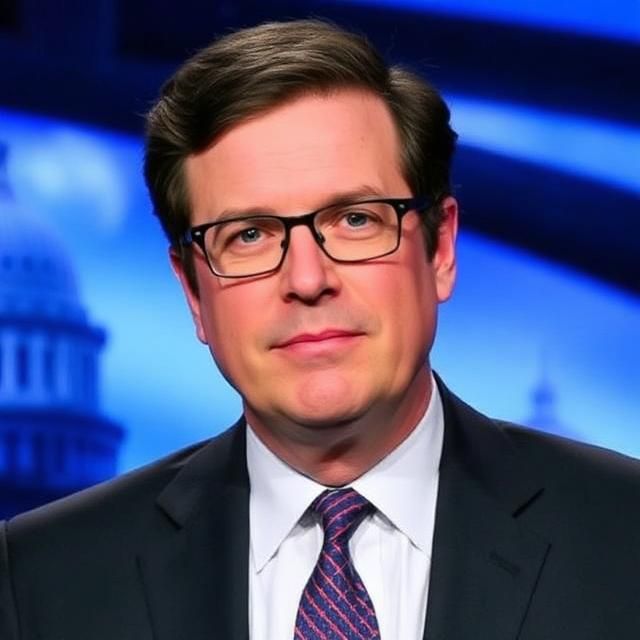
Tucker Carlson Says Central Intelligence Agency Monitors His Texts Amid Alleged Foreign Agents Registration Act Probe
American political commentator and former television host Tucker Carlson has sparked debate after claiming that the Central Intelligence Agency (CIA) is monitoring his private text messages. According to Carlson, the alleged surveillance is connected to a possible investigation under the Foreign Agents Registration Act (FARA), a federal law that requires individuals acting on behalf of foreign governments or entities to register with the U.S. government.
Carlson’s comments have raised questions about government surveillance, press freedom, and the boundaries of national security investigations. While the claims have generated strong reactions from supporters and critics alike, there has been no official confirmation from U.S. authorities about a formal investigation. Carlson’s Allegations About Surveillance During recent remarks, Tucker Carlson said he believes the Central Intelligence Agency is monitoring his communications, including private text messages. Carlson suggested that the monitoring may be linked to a possible
FARA-related inquiry examining his communications with international figures. Carlson argued that speaking with foreign officials, journalists, or political leaders is a normal part of journalism and should not be treated as suspicious activity. He emphasized that he has not worked for any foreign government and maintains that his reporting and interviews are independent. According to Carlson, the alleged surveillance demonstrates how intelligence agencies may monitor media figures when geopolitical tensions rise or when journalists interact with foreign sources.
Background: Previous Surveillance Claims This is not the first time Tucker Carlson has accused U.S. intelligence agencies of monitoring him. In 2021, he claimed that the National Security Agency had intercepted his emails while he was trying to arrange an interview with Vladimir Putin. At that time, the National Security Agency denied targeting Carlson. Officials stated that he had never been the focus of an intelligence operation and that the agency does not spy on U.S. citizens without legal authorization. The earlier controversy triggered political debates in Washington about government surveillance powers and the privacy rights of journalists.
What Is the Foreign Agents Registration Act (FARA) The Foreign Agents Registration Act was passed in 1938 to increase transparency regarding individuals or organizations acting on behalf of foreign governments in the United States. Under the law, people must register with the U.S. Department of Justice if they engage in political activities, lobbying, or influence campaigns on behalf of foreign entities. The goal is not to prohibit such work but to ensure that the public knows when foreign governments are attempting to influence American politics or public opinion.
Failure to comply with FARA can lead to fines or criminal charges. In recent years, the law has been used in several high-profile investigations involving political consultants, lobbyists, and media figures. However, legal experts often note that simply communicating with foreign officials does not automatically violate FARA. The key factor is whether a person is acting under the direction or control of a foreign government. Reactions and Political Debate Carlson’s claims have sparked strong reactions across the political spectrum. Some supporters argue that journalists must be free to communicate with international sources.
without fear of surveillance. They believe monitoring journalists could threaten press freedom and discourage investigative reporting. Critics, however, say that if any investigation exists, it would likely follow standard legal procedures designed to protect national security. They also point out that intelligence agencies require court approval and legal justification before conducting surveillance on U.S. citizens. The controversy has revived broader discussions about the balance between national security and civil liberties, particularly in an era of digital communication where emails, texts, and messaging apps are central to journalism.
Government Response So Far As of now, the Central Intelligence Agency has not publicly confirmed Carlson’s allegations. Intelligence agencies typically do not comment on potential investigations, especially those involving surveillance claims. U.S. law also places strict limits on intelligence agencies’ ability to monitor American citizens. Agencies such as the CIA generally focus on foreign intelligence operations, while domestic surveillance activities typically require authorization through legal channels. Because of these rules, analysts say it is difficult to verify claims about surveillance unless official documents or court filings become public.
Broader Implications for Media and Privacy The controversy surrounding Tucker Carlson highlights the ongoing tension between government security efforts and freedom of the press. Journalists often communicate with international sources, government officials, and political leaders around the world. These interactions are considered a normal part of global reporting. However, in times of geopolitical conflict or heightened security concerns, such communications may attract greater scrutiny. Experts warn that even the perception of surveillance can have a chilling effect on journalism, making reporters hesitant to speak with sources who might fear government monitoring.