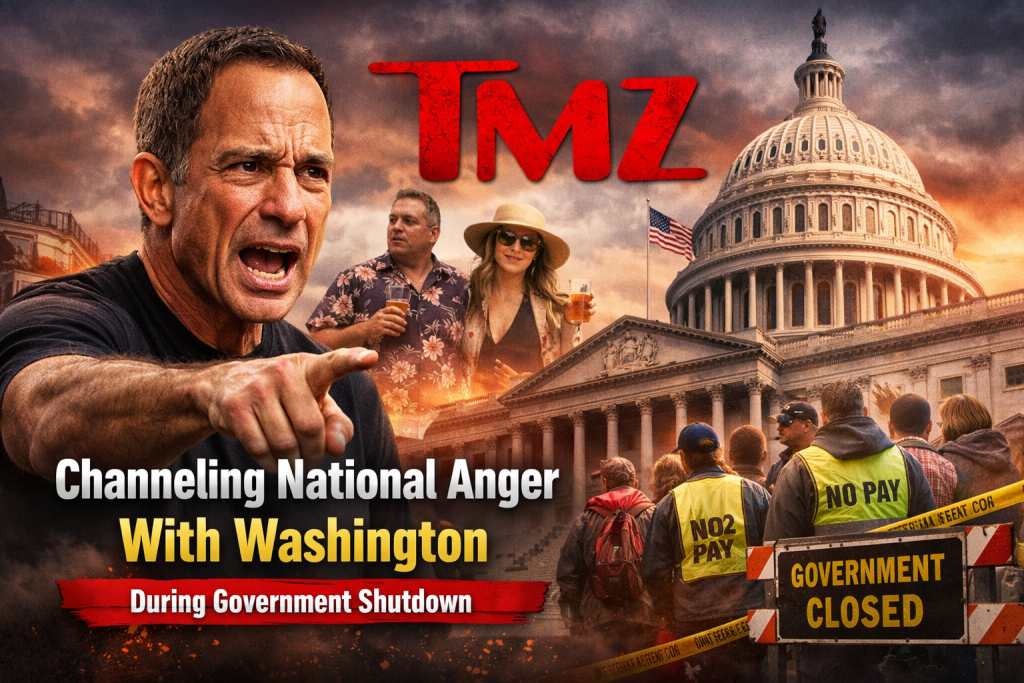
TMZ’s Founder Channels National Anger With Washington During Government Shutdown
Washington, D.C. — The founder of TMZ, Harvey Levin, is drawing national attention after launching a controversial campaign that reflects growing public frustration with lawmakers in Washington, D.C. during a prolonged government shutdown. The move marks an unusual shift for the celebrity-focused media outlet, which is now spotlighting political figures rather than Hollywood stars.
Why TMZ Shifted Focus From Celebrities to Congress Known for breaking celebrity scandals and entertainment news, TMZ surprised audiences by turning its cameras toward members of Congress during a historic partial government shutdown. Levin explained that the shift came after his team interviewed a Transportation Security Administration (TSA) worker who had not received pay due to the shutdown. The emotional impact of the worker’s situation motivated TMZ to highlight what lawmakers were doing during the crisis. The shutdown—one of the longest in U.S. history—left thousands of federal employees without pay and caused disruptions across multiple sectors, including airport operations.
Viral Photos of Lawmakers Spark Public Outrage TMZ began publishing paparazzi-style photos showing lawmakers traveling or vacationing while Congress remained in recess. Some of the most widely shared images featured lawmakers at vacation spots such as Disney theme parks and Las Vegas, triggering public criticism and debate online. These posts quickly went viral, gaining millions of views across social media platforms. Levin said the images resonated strongly with the public because they visually contrasted lawmakers’ leisure activities with the financial struggles faced by unpaid government workers. He emphasized that the campaign was nonpartisan and aimed at holding all lawmakers accountable, regardless of political party.
A Growing Movement Against Political Gridlock The campaign has encouraged citizens to send photos of lawmakers they encounter during travel or vacation, turning public frustration into a grassroots media movement. Levin described the effort as a response to widespread anger toward Congress, saying that the responsibility to keep the government functioning lies with elected officials. According to reports, pressure from media coverage, public outrage, and political leaders has increased calls for lawmakers to return to Washington and resolve the funding dispute.
Political Leaders Face Mounting Pressure As criticism intensifies, political leaders are under growing pressure to end the shutdown and restore normal government operations Some officials defended their travel, stating that they were attending meetings or visiting family members during the congressional recess. However, the optics of vacation photos during a national crisis have remained controversial. Meanwhile, negotiations over government funding—particularly related to immigration enforcement and homeland security—continue to create deep divisions between political parties.
Entertainment Media Enters Political Accountability The situation highlights a significant shift in modern media dynamics, where entertainment-focused outlets are increasingly influencing political narratives. The involvement of TMZ demonstrates how viral content and public engagement can amplify national debates and put additional pressure on policymakers. Experts say this new style of reporting—combining entertainment-style coverage with political issues—may continue shaping how citizens monitor government accountability in the future.
With public anger rising and political negotiations ongoing, the role of media outlets like TMZ is likely to remain central in shaping public perception of government leadership. While it remains unclear when the shutdown will officially end, the controversy surrounding lawmakers’ activities during the crisis has already left a lasting impact on public trust in government institutions.