
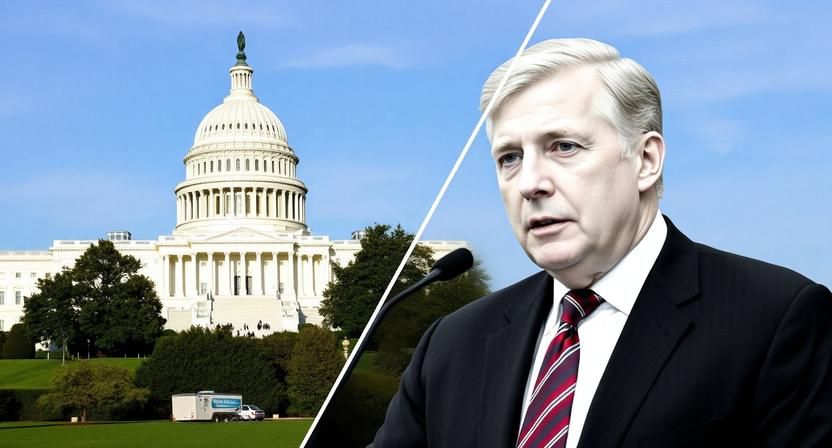
Senate Democrats Shock Washington by Blocking Major Surveillance Bills
A major political showdown unfolded in Washington this week as Senate Democrats successfully blocked legislation aimed at extending controversial surveillance powers used by U.S. intelligence agencies. The move has intensified an already heated debate over the balance between national security and individual privacy rights, raising questions about the future of government surveillance programs.
The dispute centers on Section 702 of the Foreign Intelligence Surveillance Act (FISA), a provision that allows U.S. intelligence agencies to collect communications involving foreign targets located outside the United States. While supporters argue that the authority is essential for protecting the nation from terrorism, cyber threats, and foreign espionage, critics contend that the program lacks sufficient safeguards to protect Americans’ privacy.
Why the Surveillance Bills Were Blocked
Democratic lawmakers joined several Republicans in opposing efforts to advance legislation that would extend surveillance authorities without significant reforms. Critics of the bills argued that intelligence agencies have repeatedly conducted searches involving Americans’ communications without obtaining warrants, creating concerns about government overreach.
Lawmakers opposing the extension stressed that surveillance programs should include stronger accountability measures and greater transparency. Many argued that before granting intelligence agencies additional powers, Congress should ensure that constitutional protections are adequately safeguarded.
The procedural vote represented a significant setback for supporters of the legislation, who warned that allowing surveillance authorities to expire could weaken America’s ability to detect and prevent security threats.
Understanding Section 702
Section 702 was originally created to help intelligence agencies monitor foreign individuals believed to possess information relevant to national security. Unlike traditional surveillance warrants, Section 702 permits data collection without obtaining individualized court approval for each target.
Supporters of the program say it has helped identify terrorist plots, cyberattacks, and foreign intelligence operations targeting the United States and its allies. Intelligence officials frequently cite the authority as one of the most valuable tools available to national security agencies.
However, privacy advocates argue that communications involving American citizens can be incidentally collected during surveillance operations. Once collected, those communications may become accessible to government agencies under certain circumstances, creating concerns about civil liberties.
Privacy Advocates Celebrate the Decision
Civil liberties organizations welcomed the Senate’s decision to block the surveillance legislation. Advocacy groups have long pushed for reforms requiring law enforcement and intelligence agencies to obtain warrants before accessing communications involving U.S. citizens.
Supporters of reform argue that technological advancements have dramatically increased the government’s ability to collect and analyze personal data. As a result, they believe stronger legal protections are necessary to prevent abuse.
Many privacy experts view the Senate vote as an opportunity to revisit surveillance laws that were originally designed in a very different technological era. They argue that modern communication platforms, cloud storage, and digital services require updated safeguards to protect personal information.
National Security Concerns Remain
While privacy advocates celebrated the outcome, national security officials expressed concern about the potential consequences of failing to renew surveillance authorities.
Officials from intelligence and law enforcement agencies have repeatedly warned that surveillance tools play a critical role in identifying threats before they reach U.S. soil. They argue that losing access to important intelligence capabilities could hinder efforts to combat terrorism, cybercrime, and foreign influence operations.
Supporters of the surveillance program emphasize that many threats facing the United States originate overseas, making foreign intelligence gathering an essential component of national defense. They contend that existing oversight mechanisms already provide meaningful protections against misuse. The disagreement highlights the challenge lawmakers face when attempting to balance security requirements with constitutional freedoms.
Political Implications
The surveillance debate has also become increasingly political. Some lawmakers have linked their opposition to concerns about leadership appointments within intelligence agencies, while others view the issue through a broader lens of government accountability and public trust.
As Congress continues negotiations, both parties are expected to push for competing reforms. Some lawmakers favor a clean extension of existing authorities, while others insist that any renewal must include substantial privacy protections. Political analysts believe the issue could remain a significant point of contention throughout the year, particularly as public awareness of digital privacy continues to grow.
What Happens Next?
The future of the surveillance legislation remains uncertain. Congressional leaders are expected to continue discussions aimed at finding a compromise that addresses both privacy concerns and national security needs.
Potential outcomes include a short-term extension, a comprehensive reform package, or the expiration of certain surveillance authorities if lawmakers fail to reach an agreement. Each option carries significant implications for intelligence operations, legal oversight, and civil liberties. For now, the Senate vote represents a pivotal moment in America’s ongoing debate over how much surveillance power the government should possess in an increasingly digital world.
The decision by Senate Democrats to block surveillance bills marks an important chapter in the national conversation about privacy, security, and government oversight. As lawmakers continue to negotiate the future of intelligence-gathering authorities, the outcome will likely shape U.S. surveillance policy for years to come. Whether Congress ultimately strengthens privacy protections, renews existing powers, or develops an entirely new framework, the debate underscores the enduring challenge of protecting both national security and individual freedoms in the modern age.