Vaccinations Save Lives: Why Immunization Remains Essential in 2026
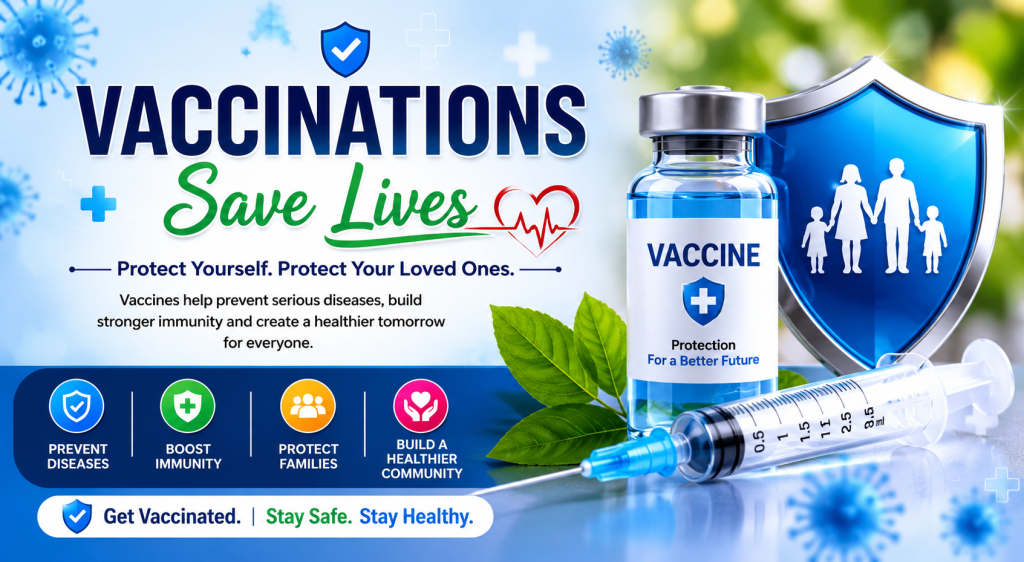
Vaccinations continue to play a crucial role in protecting communities around the world from dangerous infectious diseases. As healthcare systems evolve and new medical challenges emerge, vaccines remain one of the most effective tools for preventing illness, reducing hospitalizations, and saving lives.
Health experts emphasize that routine immunization programs have helped eliminate or significantly reduce the spread of many serious diseases, including polio, measles, tetanus, and hepatitis. In 2026, governments and healthcare organizations are continuing efforts to improve vaccine access and encourage people of all ages to stay up to date with recommended immunizations.
Vaccines train the body’s immune system to recognize and fight harmful viruses or bacteria before they cause serious illness. By introducing a weakened, inactive, or harmless component of a pathogen, vaccines help the body develop immunity without causing the disease itself. When a vaccinated individual encounters the actual disease, their immune system can respond quickly and effectively, reducing the risk of severe complications.
Childhood vaccination programs remain a cornerstone of public health. Infants and young children are particularly vulnerable to infectious diseases because their immune systems are still developing. Routine childhood immunizations protect against: Measles Mumps Rubella Diphtheria Polio Pertussis (Whooping Cough) Hepatitis B Medical professionals recommend that parents follow national immunization schedules to ensure children receive timely protection.
While vaccines are often associated with children, adults also benefit from regular immunizations. Certain vaccines may require booster doses over time, while others are recommended for older adults or individuals with specific health conditions. Seasonal influenza vaccines Tetanus boosters Shingles vaccines Pneumococcal vaccines Updated COVID-19 vaccines Healthcare providers advise adults to review their vaccination history and consult medical professionals about recommended immunizations.
Vaccine safety remains a top priority for health authorities worldwide. Before approval, vaccines undergo extensive clinical testing to evaluate their effectiveness and safety. Regulatory agencies continue to monitor vaccines after they become available to the public. Soreness at the injection site Mild fever Fatigue Muscle aches Serious adverse reactions are rare, and healthcare professionals are trained to manage them appropriately.
Public health organizations continue to invest in vaccination campaigns aimed at reaching underserved populations. Mobile clinics, community outreach programs, and digital health initiatives are helping improve vaccine accessibility in both urban and rural regions. Experts warn that declining vaccination rates can lead to outbreaks of preventable diseases. Maintaining high immunization coverage helps protect vulnerable individuals who may not be able to receive vaccines due to medical conditions.
As scientific research advances, new vaccines are being developed to combat emerging diseases and improve protection against existing threats. Innovations in vaccine technology are expected to enhance effectiveness, increase accessibility, and strengthen global health security. Vaccinations remain one of humanity’s greatest medical achievements. By staying informed and following recommended immunization schedules, individuals can help protect themselves, their families, and their communities from preventable diseases.