







The Nipah virus (NiV) is one of the world’s most dangerous zoonotic viruses, known for its high mortality rate and ability to spread from animals to humans and even between humans. First identified in 1998, Nipah virus outbreaks continue to pose a serious public health threat, especially in South and Southeast Asia, including India. This article explains everything you need to know about the Nipah virus—its causes, symptoms, transmission, treatment, and prevention.
What is Nipah Virus? Nipah virus is a RNA virus belonging to the Paramyxoviridae family. It causes severe disease in humans, often affecting the brain (encephalitis) and the respiratory system. Due to its deadly nature and lack of a specific cure, the World Health Organization (WHO) has classified Nipah virus as a priority pathogen. Origin and History First outbreak: Malaysia and Singapore (1998–1999) Named after Sungai Nipah, a village in Malaysia Since then, outbreaks have been reported in Bangladesh and India, particularly in Kerala
How Does Nipah Virus Spread? The Nipah virus spreads through direct or indirect contact with infected animals or people Main transmission routes Bat to Human Fruit bats (Pteropus species) are the natural carriers Eating fruits contaminated with bat saliva or urine Drinking raw date palm sap contaminated by bats Animal to Human contact with infected animals like pigs Human to Human Contact with bodily fluids of infected individuals High risk in hospitals and during caregiving
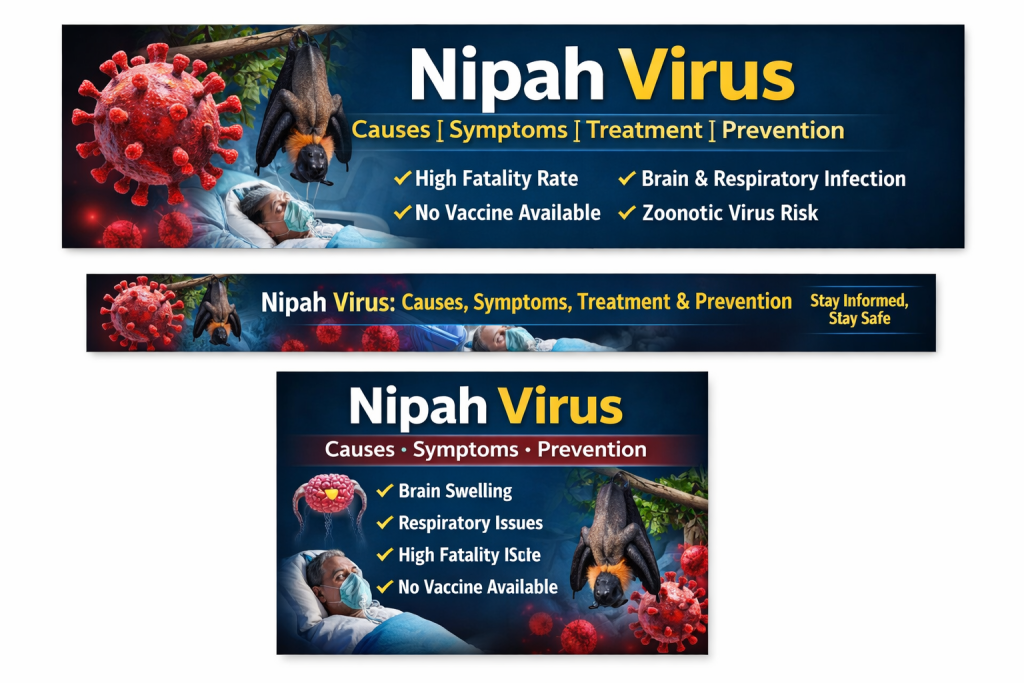
Symptoms of . Virus Symptoms usually appear 5 to 14 days after exposure Early symptoms Fever Headache Muscle pain Vomiting Sore throat Severe symptoms Dizziness and confusion Seizures Difficulty breathing Acute encephalitis (brain swelling) Coma and death in severe cases Why Nipah Virus is So Dangerous High fatality rate: 40% to 75% No approved vaccine No specific antiviral treatment Capable of human-to-human transmission Rapid deterioration in critical patients
Diagnosis of Nipah Virus Diagnosis is done in specialized laboratories using RT-PCR tests ELISA antibody tests Samples include blood, throat swab, urine, or cerebrospinal fluid Treatment Options Currently, there is no specific treatment for Nipah virus infection Supportive care includes Intensive medical care Oxygen therapy or ventilator support Management of complications Ribavirin has been used experimentally, but its effectiveness is not proven
Prevention and Safety Measures Preventing Nipah virus is crucial due to the absence of a vaccine. Key preventive steps: Avoid eating fallen or partially eaten fruits Do not drink raw or unprocessed date palm sap Wash fruits thoroughly before consumption Avoid contact with bats and sick animals Follow strict infection control practices in hospitals Use personal protective equipment (PPE) when caring for patients
DIGI MERCH STORE PRINT ON DEMAND

Nipah Virus in India India has witnessed several Nipah virus outbreaks, mainly in Kerala. Quick action by health authorities, including contact tracing, isolation, and public awareness, has helped control the spread in recent years.
The Nipah virus remains a serious global health threat due to its deadly nature and lack of treatment. Awareness, early detection, and strict preventive measures are the only effective ways to control outbreaks. Public cooperation and timely government response play a crucial role in preventing the spread of this life-threatening virus.
NipahvirusIndia. dailyprompt-2120
NipahvirusKerala dailyprompt-2110
Nipahviruscauses dailyprompt-2116
Nipahvirusoutbreak dailyprompt-211
Nipahvirussymptoms dailyprompt-21
Comment