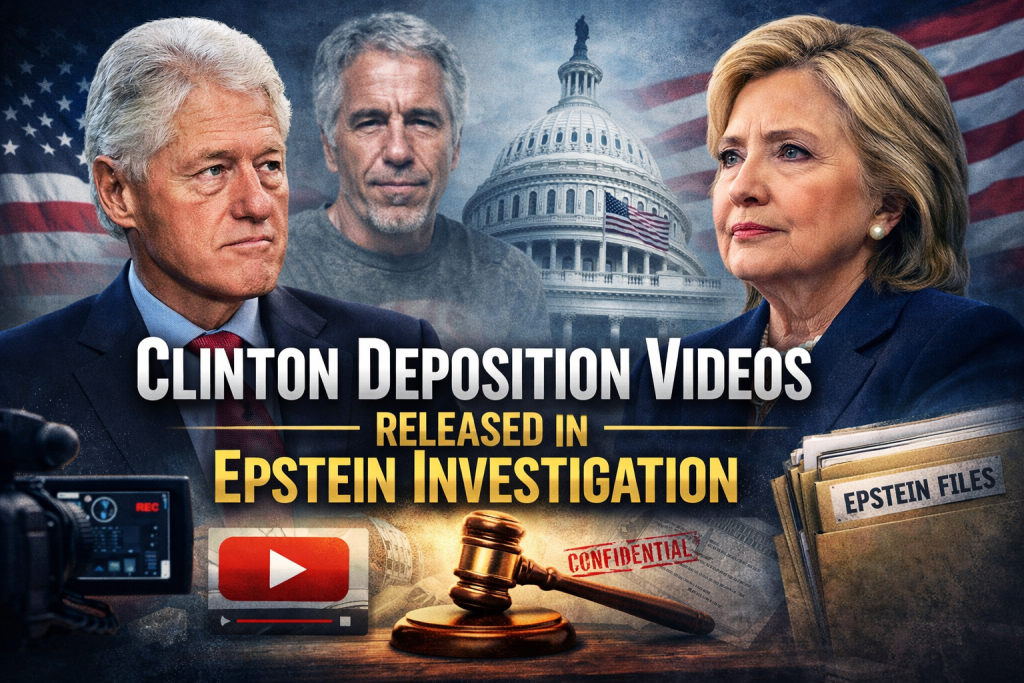
Clinton Deposition Videos Released in Epstein Investigation: What We Learned
The release of video depositions from former President Bill Clinton and former Secretary of State Hillary Clinton has reignited public interest in the long-running investigation surrounding convicted sex offender Jeffrey Epstein. The footage, made public by the House Oversight Committee, provides hours of sworn testimony detailing the Clintons’ responses to questions about their past interactions with Epstein and his associates. Here’s a complete breakdown of what the videos reveal, why they were released, and what it means moving forward.
Why Were the Videos Released The depositions were conducted behind closed doors as part of a broader congressional review into Epstein’s connections with powerful political, business, and global figures. Committee Chairman and James Comer authorized the public release of the footage, citing transparency and public interest. Lawmakers stated that the release allows Americans to see unedited testimony rather than relying on written transcripts or selective reporting. The release follows growing scrutiny after documents connected to the Epstein Files Transparency Act made additional investigative materials available.
What Bill Clinton Said in His Deposition Bill Clinton acknowledged that he had interacted with Epstein in the early 2000s. He denied any knowledge of Epstein’s criminal activities. He firmly denied visiting Epstein’s private island. He stated that he cut ties with Epstein well before Epstein’s 2008 guilty plea. Clinton emphasized that his association was related to philanthropic and global initiatives at the time and maintained that he had no awareness of wrongdoing. At one point, Clinton referenced conversations involving Donald Trump, mentioning that Trump had once described having “great times” with Epstein before their relationship reportedly ended. This statement has sparked renewed political debate.
What Hillary Clinton Said She did not recall meeting Epstein personally. She had no involvement in her husband’s interactions with him. She viewed parts of the congressional inquiry as politically motivated. In portions of the deposition, she challenged committee members on procedural issues and questioned the broader purpose of the investigation. However, she consistently denied any knowledge of Epstein’s criminal conduct. What the Videos Do Not Show The depositions do not present evidence of criminal wrongdoing by the Clintons The videos document testimony under oath, not legal findings or charges. The release is part of congressional oversight not a criminal prosecution.
Why This Matters Politically The Epstein case continues to draw intense public and political interest because of the financier’s extensive network of elite connections. The release of deposition videos: Increases transparency. Fuels political debate ahead of major election cycles Renews scrutiny of how institutions handled Epstein before his 2019 death in federal custody. For critics, the footage raises questions about elite accountability. For supporters, it reinforces the Clintons’ long-standing denials of wrongdoing. Public and Media Reaction Media outlets across the political spectrum have covered the release extensively.
Supporters of the release argue it promotes transparency. Critics argue the timing may have political implications. Social media discussions have amplified specific clips, particularly moments where tensions rose between lawmakers and the witnesses. What Happens Next The House Oversight Committee continues reviewing documents and testimony related to Epstein’s network. Additional depositions or disclosures could follow if lawmakers deem them relevant. Whether this release changes legal outcomes remains unclear, but politically and publicly, the impact is significant.
The release of the Clinton deposition videos adds another chapter to the ongoing fallout from the Jeffrey Epstein scandal. While the footage does not introduce new criminal charges, it provides a rare, unfiltered look at how two of America’s most prominent political figures addressed their past associations under oath. As investigations continue and more documents become public, scrutiny surrounding Epstein’s network and the powerful names connected to it shows no sign of fading