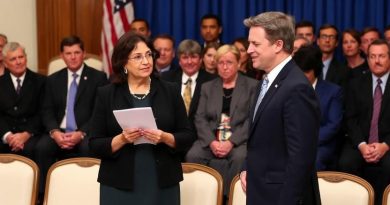

Trump Signs Executive Order to Expand Retirement Plan Access for Millions of Workers
On April 30, 2026, Donald Trump signed a major executive order aimed at expanding retirement savings access for millions of Americans—particularly those who currently lack employer-sponsored plans like 401(k)s. The move is being described as a significant step toward closing the long-standing retirement coverage gap in the United States.
Key Highlights of the Executive Order
The order directs the U.S. Treasury to launch a new website—TrumpIRA.gov—by January 2027. This platform will allow workers to: Compare private-sector retirement plans Enroll easily in Individual Retirement Accounts (IRAs) Access low-cost, vetted investment options Unlike traditional systems, the platform will connect users to private providers rather than creating a government-run retirement plan.
Federal “Saver’s Match” Incentive
A major feature is the expansion of the Saver’s Match program, originally introduced under the 2022 SECURE 2.0 law. Eligible workers can receive up to $1,000 annually in federal matching contributions The match is directly deposited into retirement accounts, not just a tax credit Typically targets individuals earning under about $35,500 per year This incentive is designed to encourage savings among low- and middle-income Americans.
Focus on Workers Without Employer Plans
The initiative primarily targets: Gig workers and freelancers Small-business employees Part-time workers Around 50–56 million U.S. workers currently lack access to employer-sponsored retirement plans, making this a large-scale policy effort.
Why This Matters
Expands retirement access to nearly half of private-sector workers Simplifies enrollment through a centralized digital platform Builds on existing law rather than creating a completely new system Supporters say it could be one of the biggest expansions of retirement access in decades, with bipartisan backing from policymakers and financial institutions.
Criticism & Challenges
Access doesn’t guarantee participation low-income workers may still struggle to save No automatic enrollment (which is proven to boost participation) Larger reforms would require approval from Congress Some analysts argue that without stronger incentives or structural changes, the impact may be limited.
The executive order marks a meaningful shift in U.S. retirement policy by lowering barriers for millions of uncovered workers. While it doesn’t fully solve the retirement savings crisis, it creates a new pathway for participation and introduces stronger financial incentives for those who need them most.